
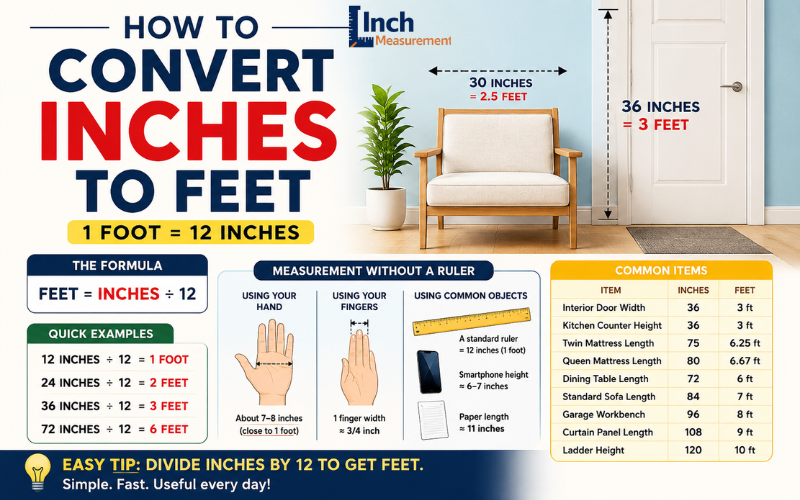
Converting inches to feet is easy. 1 foot equals 12 inches. To convert inches to feet, divide the number of inches by 12.
- 1 foot = 12 inches
- 1 foot = 30.48 centimeters (cm)
- 1 foot = 304.8 millimeters (mm)
For example:
- 24 inches ÷ 12 = 2 feet
- 36 inches ÷ 12 = 3 feet
- 72 inches ÷ 12 = 6 feet
This simple method helps you measure furniture, rooms, TV sizes, building materials, and many everyday items without confusion.
Many people compare lengths with common objects. For example, 12 inches is about the length of a standard school ruler, while 36 inches (3 feet) is close to the height of a small child. These comparisons make it easier to picture measurements.
How to Convert Inches to Feet
Converting inches to feet is one of the most useful measurement skills for everyday life. Since every foot contains exactly 12 inches, the conversion is always the same. Divide the number of inches by 12, and the answer is the length in feet. If the inches do not divide evenly, the result includes a decimal or a combination of feet and inches. For example, 18 inches becomes 1.5 feet or 1 foot 6 inches, while 50 inches becomes about 4.17 feet. This conversion is useful when measuring furniture, doors, windows, shelves, flooring, televisions, and construction materials. It also helps when reading product specifications because some manufacturers list dimensions in inches while others use feet. Learning this simple calculation saves time and reduces mistakes during shopping or home projects. Whether you are measuring two feet, five feet, or even ten feet, the same rule applies. Once you remember that 12 inches make 1 foot, you can quickly estimate measurements without needing a calculator for many common sizes.
Inches to Feet Conversion Formula
The formula is:
Feet = Inches ÷ 12
Here are a few examples:
| Inches | Feet |
|---|---|
| 12 | 1 ft |
| 18 | 1.5 ft |
| 24 | 2 ft |
| 36 | 3 ft |
| 48 | 4 ft |
| 60 | 5 ft |
| 72 | 6 ft |
| 84 | 7 ft |
| 96 | 8 ft |
| 120 | 10 ft |
This chart gives you quick answers without doing the math every time.
Measurement Without a Ruler
Sometimes you need to estimate a length when no measuring tape or ruler is available. Here are a few simple ways.
Using Your Hand
An adult hand from the wrist to the tip of the middle finger is often close to 7 to 8 inches. Two hand lengths are close to 15 inches, making it easier to estimate just over one foot.
Using Your Fingers
The width of one adult finger is usually around ¾ inch. Four fingers placed together are often close to 3 inches. Repeating this estimate helps measure longer distances.
Using Common Objects
Many everyday items have known sizes.
- A standard ruler is 12 inches (1 foot).
- A sheet of printer paper is about 11 inches long.
- A standard basketball is close to 9.5 inches in diameter.
- A smartphone is usually between 6 and 7 inches tall.
These familiar objects help estimate measurements quickly.
Common Measurements Converted from Inches to Feet
| Common Item | Size (Inches) | Size (Feet) |
|---|---|---|
| Standard School Ruler | 12 | 1 |
| Interior Door Width | 36 | 3 |
| Kitchen Counter Height | 36 | 3 |
| Twin Mattress Length | 75 | 6.25 |
| Queen Mattress Length | 80 | 6.67 |
| Dining Table Length | 72 | 6 |
| Standard Sofa | 84 | 7 |
| Garage Workbench | 96 | 8 |
| Curtain Panel | 108 | 9 |
| Ladder | 120 | 10 |
Standard School Ruler
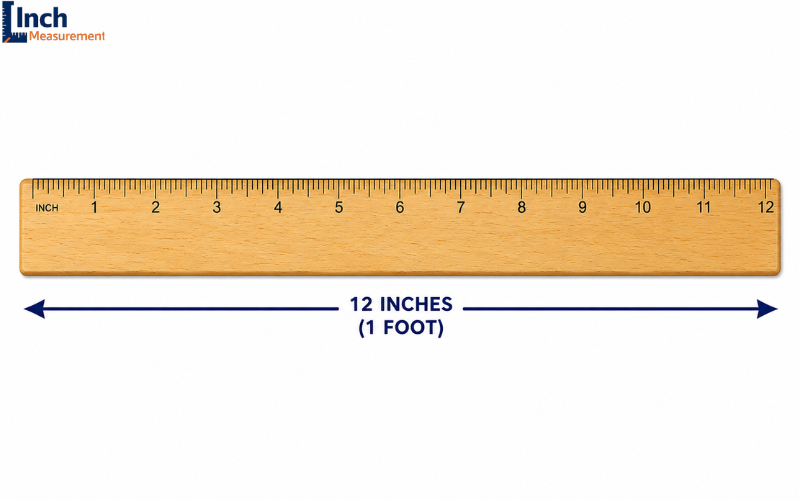
A standard school ruler measures exactly 12 inches, which equals 1 foot. This makes it one of the easiest tools for learning the relationship between inches and feet. When students first learn measurements, they often use a ruler to understand how one foot is made up of twelve equal inches. If you need to estimate longer distances, you can imagine placing several rulers end to end. Three rulers equal 3 feet, while six rulers equal 6 feet. This simple comparison helps when measuring desks, shelves, or other household objects. A ruler is also useful for checking smaller dimensions before converting them into feet. For example, measuring a notebook at 9 inches shows it is 0.75 feet. Learning with a ruler builds confidence because it gives a clear picture of how inches and feet work together. It is one of the most practical examples for anyone asking what does inches look like when compared with feet.
Visit Our Tool: Feet & Inches Calculator
Interior Door Width
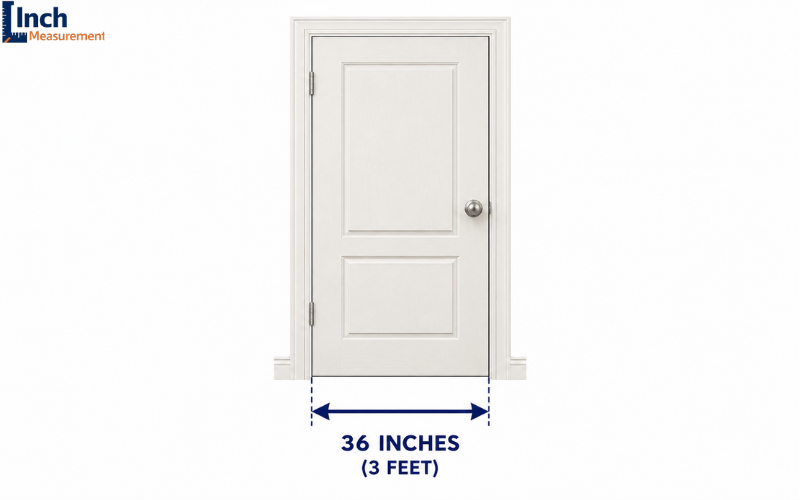
Many interior doors are about 36 inches wide, which converts to 3 feet. This measurement is common in homes because it provides enough space for comfortable movement between rooms. Knowing that 36 inches equals three feet makes it easier to understand room layouts and furniture placement. When buying a new sofa, refrigerator, or large cabinet, checking the doorway width can prevent delivery problems. Instead of comparing only inches, thinking in feet often gives a better sense of space. If someone asks how big is 36 inches, you can simply imagine a standard doorway. This everyday example helps explain the conversion in a practical way. Builders, homeowners, and renters often use both inches and feet during home improvement projects, so understanding the conversion saves time and avoids costly measuring mistakes.
Kitchen Counter Height
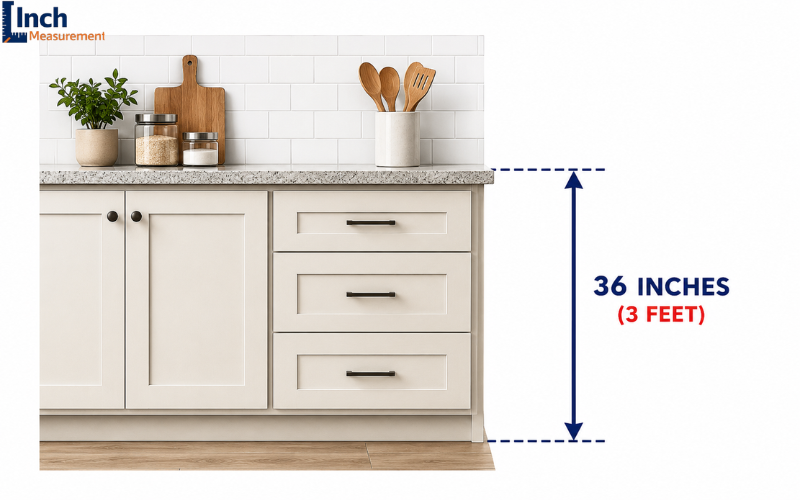
Most kitchen counters are built at 36 inches, which is the same as 3 feet. This standard height allows comfortable cooking, food preparation, and cleaning for most adults. If you measure a counter in inches, dividing by 12 quickly shows the height in feet. Designers often use inches for precise construction, while homeowners may prefer thinking in feet when planning a kitchen. Knowing both units makes reading renovation plans much easier. If you wonder what does 36 inches look like, imagine standing beside a typical kitchen countertop. It reaches about waist level for many adults. This familiar comparison makes the measurement easy to remember. Whether measuring cabinets, islands, or appliances, converting inches into feet helps create accurate layouts and ensures everything fits together properly.
Twin Mattress Length
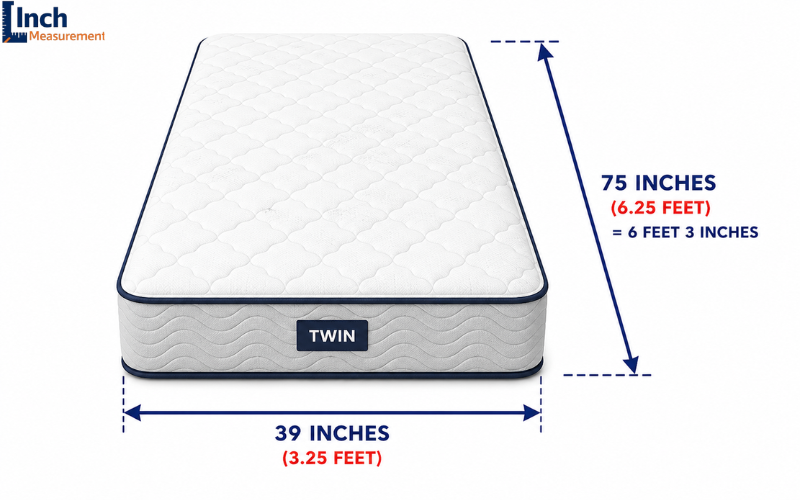
A standard twin mattress is usually 75 inches long. Dividing 75 by 12 gives 6.25 feet, or 6 feet 3 inches. This example shows that conversions do not always produce whole numbers. Sometimes you will get a decimal, while other times it is easier to express the answer using both feet and inches. Mattress sizes are commonly listed in inches, but many people understand room dimensions better in feet. Knowing that a twin mattress is slightly longer than six feet helps when planning bedrooms or checking available floor space. It also makes comparing mattress sizes easier. If someone asks for 75 inches examples, a twin mattress is one of the most familiar answers. This measurement demonstrates how inches and feet work together in everyday shopping and home planning.
Related Post: 10 Common Things That Are 9 Feet Long
Queen Mattress Length
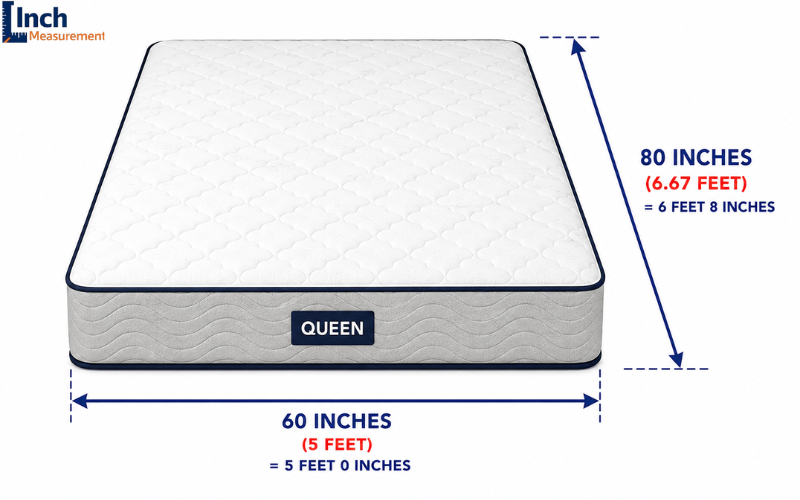
A queen mattress typically measures 80 inches, which equals about 6.67 feet, or 6 feet 8 inches. This size comfortably fits most adults and is one of the most popular mattress options. While manufacturers often list dimensions in inches, homeowners usually think about bedroom size in feet. Converting the mattress length makes it easier to picture how much space it will occupy. For example, a room that measures ten feet long easily accommodates a queen bed while leaving room for walking space. If you are comparing bed sizes, knowing the conversion helps you make better choices. People often search how big is 80 inches, and a queen mattress provides a clear real-world example that is easy to imagine.
Dining Table Length
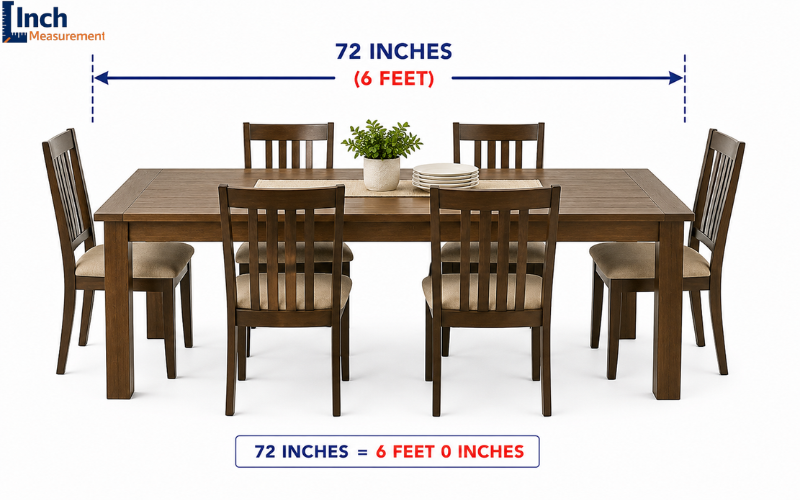
A dining table often measures around 72 inches, which converts to 6 feet. This length comfortably seats six to eight people, depending on the table design. When arranging dining furniture, many homeowners think in feet because room dimensions are usually given that way. Converting inches into feet helps you understand how much floor space the table will use. If your dining room is twelve feet long, a six-foot table leaves enough room for chairs and walking space. This practical example also shows how easy the conversion becomes because 72 divides evenly by 12. For anyone looking for 72 inches examples, a dining table is one of the most common household measurements.
Standard Sofa
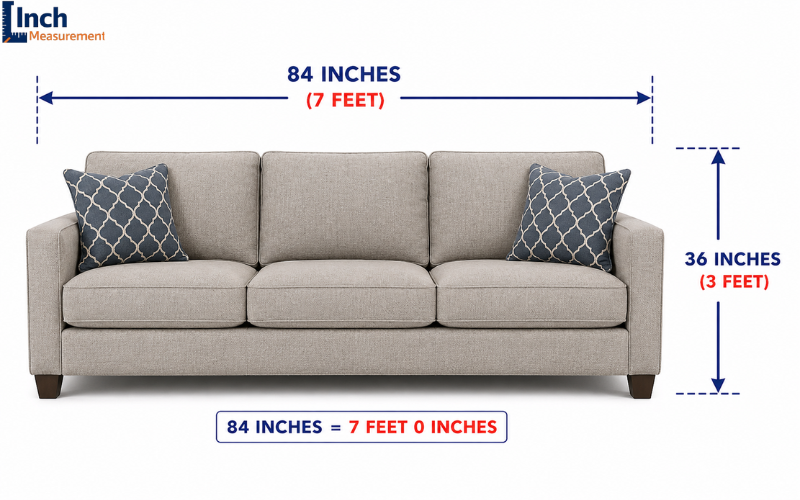
A standard sofa is often about 84 inches long, which equals 7 feet. This size fits comfortably in many living rooms while providing seating for three people. When shopping online, product descriptions usually list the length in inches. Converting that number into feet gives a clearer picture of how large the sofa really is. If your living room wall measures ten feet, a seven-foot sofa leaves enough space for side tables or decorative items. This conversion is useful before buying furniture because it reduces the chance of choosing something that is too large. If someone asks what does 84 inches look like, picturing a typical three-seat sofa makes the answer much easier to understand.
Garage Workbench
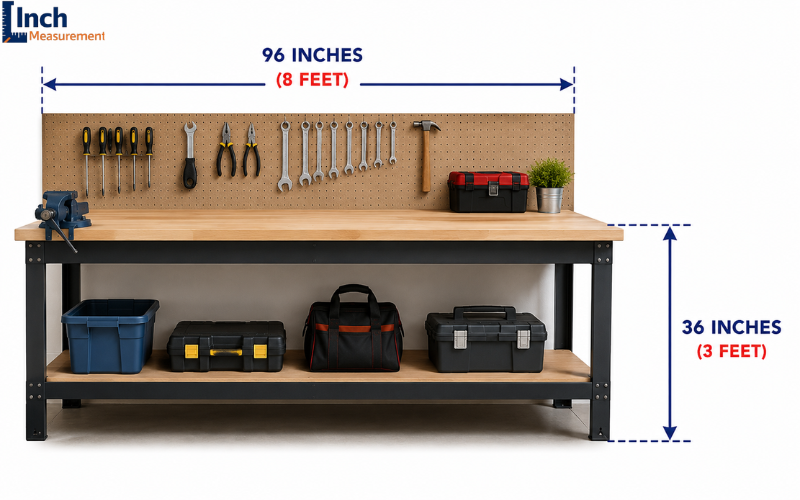
Many garage workbenches measure 96 inches, which equals 8 feet. This provides a large work surface for woodworking, repairs, crafts, and DIY projects. Builders frequently switch between inches and feet while designing workshops, making this conversion especially useful. An eight-foot bench can hold large tools and long materials without taking up unnecessary space. If you only see the measurement listed as 96 inches, dividing by 12 quickly reveals its length in feet. This simple example shows how conversion improves planning before purchasing equipment or organizing a workspace. It also helps answer questions such as how big is 96 inches using a practical everyday object.
Curtain Panel
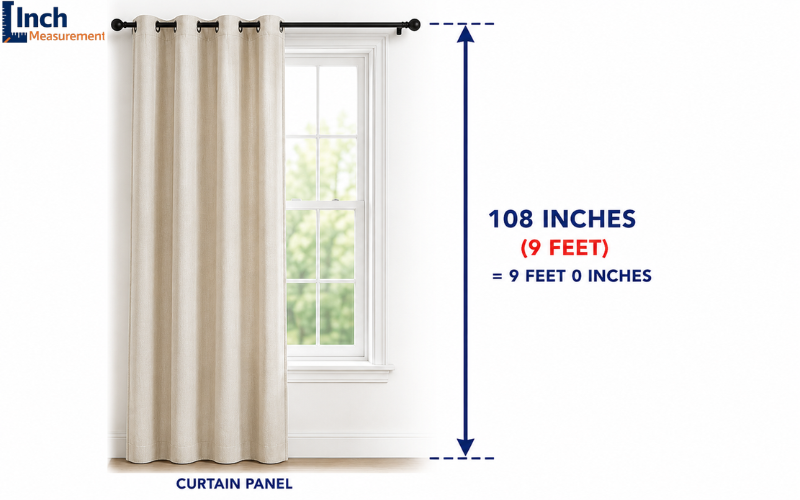
A curtain panel commonly measures 108 inches, which equals 9 feet. These longer curtains are popular for rooms with high ceilings because they create a clean and elegant appearance. Measuring curtains in feet often makes it easier to compare them with ceiling height. For example, if your ceiling is nine feet tall, a 108-inch curtain is usually an excellent choice. Designers often use inches for precise sizing, but homeowners usually visualize room height in feet. Converting between the two helps prevent buying curtains that are too short or too long. When searching for 108 inches examples, full-length curtain panels are among the easiest items to picture.
Ladder
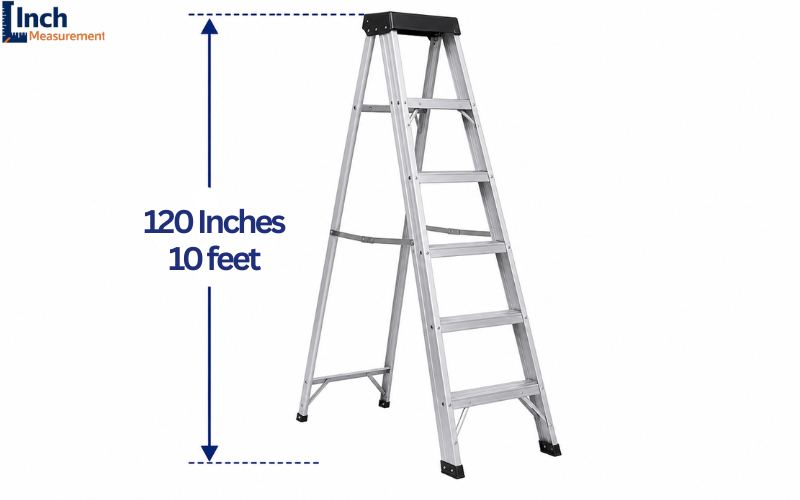
A household extension ladder may measure 120 inches, which equals 10 feet. This is a common size for reaching gutters, roofs, or tall shelves. Ladder manufacturers often list dimensions in both inches and feet because each unit serves a different purpose. Feet provide a quick understanding of overall height, while inches allow for more detailed measurements. If you need to reach a roof edge about nine feet above the ground, a ten-foot ladder may be a suitable option depending on safety guidelines. Converting 120 inches into ten feet is straightforward because it divides evenly by 12. This familiar example helps explain the conversion process using a practical tool that many people recognize.
Frequently Asked Questions
How do I convert inches to feet?
Divide the number of inches by 12. The result is the measurement in feet.
Why are there 12 inches in one foot?
The imperial measurement system defines one foot as exactly 12 inches.
Can the answer include decimals?
Yes. For example, 30 inches = 2.5 feet.
Can I write the answer as feet and inches?
Yes. For example, 50 inches = 4 feet 2 inches instead of 4.17 feet.
Is converting inches to feet useful?
Yes. It helps with home improvement, furniture shopping, construction, school work, and many daily measurements.
How can I estimate one foot without a ruler?
Use a standard ruler, compare it with familiar household objects, or estimate using your hand length.
Conclusion
Converting inches to feet is simple because every foot contains 12 inches. Divide the number of inches by 12 to find the length in feet, or express the result as a combination of feet and inches when needed. This skill is useful for measuring furniture, rooms, beds, doors, ladders, curtains, and many other everyday objects. With a few common examples and simple estimation methods using your hands or familiar items, you can quickly understand measurements even without a ruler. Once you remember the basic formula, converting between inches and feet becomes fast, accurate, and practical for everyday life.
